
you have about 2 years left.
The window to make real money is closing faster than you think.

Take a seat for this one.
We’re going to talk about AI, and more importantly, the fact that you probably only have a couple years left for you to actually make real money and make real progress financially before AI swoops in.
Now, this is not a story about AI taking your job or AI replacing us. But more so AI being leveraged in a way that we just can’t compete anymore.
I’m going to break up the article into these different sections:
What is AI and how does it work?
What’s the opportunity ahead of us? And how real is it?
How you can capitalize off of it
Lingering thoughts (basically unfiltered POV)
What is AI and how does it work?
Before we dive into the depths of AI and get to my core point, you gotta understand what AI is. I feel like a lot of people misunderstand AI or have no clue what it is, because I was also one of those people. I thought it was just an app scraping data online and trying to find an answer for you. But in reality, that’s not far from the truth, but it’s not the truth.
Long story short, these databases have different algorithms and buckets of huge data. Essentially, in this algorithm, they’re trying to find different bits and pieces of data and apply it to your question. Think of it as contextual - based off of all the information that the AI has attached to it, it tries to make the best judgment and the best piece of context to make the best decision. That’s legit the simplest way to put it.
If - you’re still confused check out the video below. It’s worth every minute tbh.
It’s important to realize that AI is only as good as the database or the information it’s leveraging. And it’s only as good as the context it has.
When you understand that core thing, you realize that to use AI effectively, you have to become great at prompting.
Prompting AI
With everyone having access to AI, the first thing that comes to mind is: how does anyone have an advantage? Right? Everyone has access to Claude or ChatGPT, so how can they actually get ahead?
The reality is it comes down to the way you use AI. And I’m not talking about using it for video or using it for advice.
I mean: how do you interact with it?
Two things I’ve found helpful:
First, based off that point about context - you gotta give it as much contextual data as possible. Whether it’s information about your backstory, a detailed resume, or even previous hooks you did for a video. The more context, the better output.
Below is a screenshot of the contextual data that I give Claude to assist me with creating short form content. As you will see I gave Claude PDF about storytelling, script writing, and even excel sheets about top performing videos.
Again - the more context the better (but don’t give out your social security lol).

Second, you have to be good at prompting. You can’t just ask “help me make a script.” Instead, you might have to say “hey, help me make a detailed script that is 60 seconds long and does x, y, z.” The specificity matters. A lot of people struggle with asking the right questions or figuring out the right thing to say. That’s really where the differentiation is.

What’s the opportunity ahead of us? And how real is it?
This notion that AI is going to take over our jobs and take over the world is sometimes extreme, and I just don’t want to think about AI like that. Not only is it morbid, but it has nothing to do with my main priority - money!
When I think of AI, I think of companies no longer needing full teams of SEO writers or blog writers. Yeah, it’s pretty easy to spot AI writing, but still - you can reduce your headcount because you can leverage AI to write the thing, then edit and adjust it.
I use AI to write all of my articles. Instead of me having to write out these newsletters from scratch, I talk through it (with wisprflow), have AI polish it up, then do two passes of editing to add my tone and voice.
For a company, they might be able to reduce a team of 3 to 1. That’s efficiency.
But I think the real opportunity and the real threat is distribution.
Here’s what made this real for me.
I was scrolling X last week and saw a video that stopped me. Good lighting. Natural movement. Felt like a real person talking to camera. I almost engaged with it before I realized it was AI.
Completely generated.

I consider myself vigilant about this stuff.
I can usually spot AI a mile away.
But I got fooled.
Which means my parents? My audience? They don’t stand a chance.
AI is getting really, really good with photos and videos. More realistic. More believable. And it brings up this idea in my head: if AI can make great videos → then companies can leverage that for UGC.
Once fortune 500 companies leverage AI for videos, they will output probably a hundred times more videos than I could ever create, and it’s going to be impossible to keep up.
Why two years?
Right now, I’m watching smaller brands use AI for their videos, their hooks, their entire content strategies. They’re already in the game.

Bigger corporations? They’re slower. Politics. Legal teams. Approvals. But they’re coming. And once they arrive with real budgets and real scale, the flood is unstoppable.
Two years is my gut. Could be sooner. I doubt it’ll be later.
How you can capitalize off of it
The way brands communicate to us is through social media.
Social media is their distribution.
Yes you can do ads on tv or billboards - but again social media is the key distribution. It’s the same concept for music. Music artists need Spotify or Apple music to “distribute” their music to millions of people.
Earlier in the year when I was working on my social media strategy, I shifted to doing iPhone-quality content.
My thinking was: all these AI videos seem so polished, so people are going to start trusting polished videos less because it might remind them of AI.
So let me record on my phone. Keep it raw.
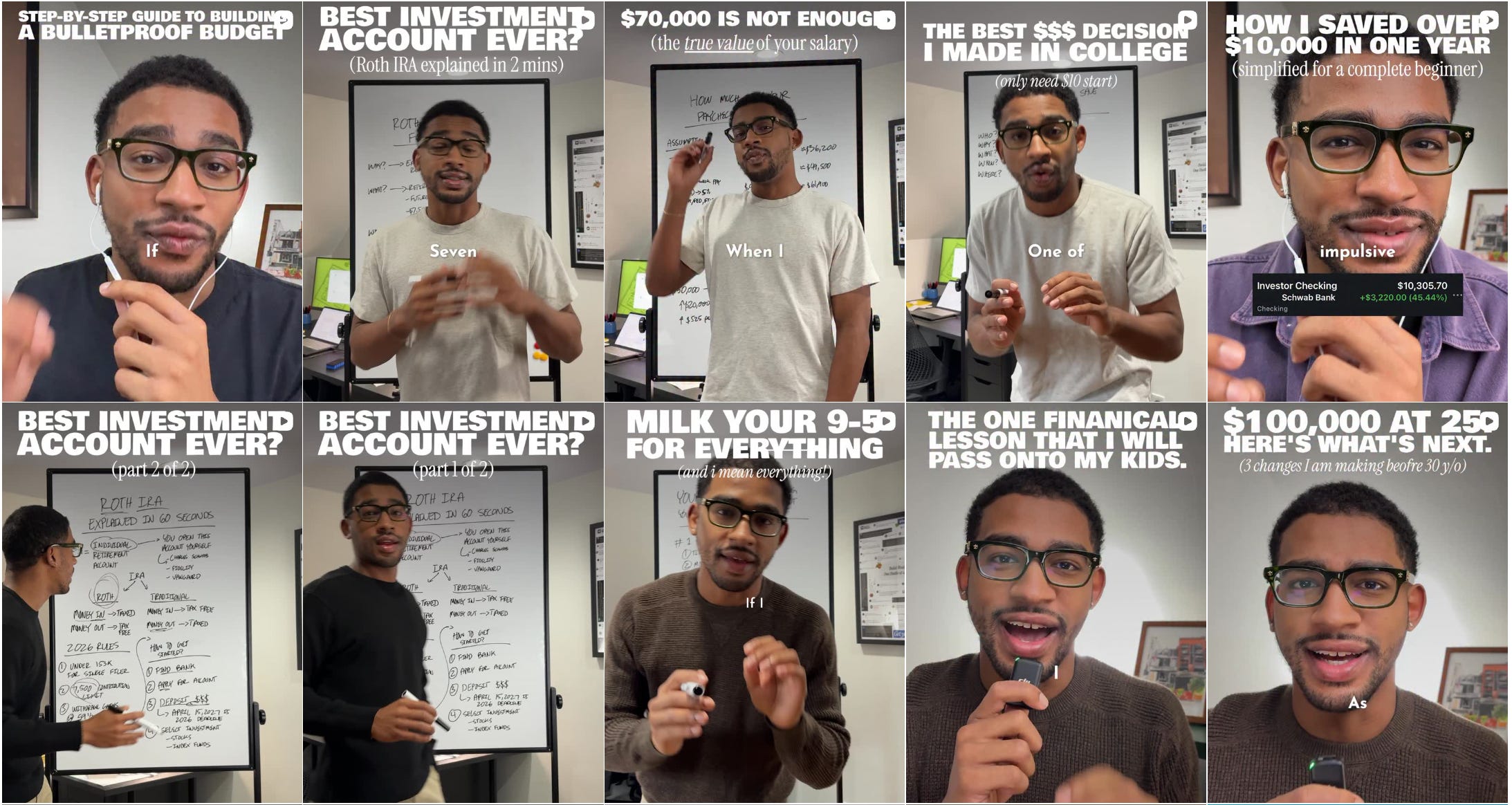
Long story short, I realized that’s total BS.
If AI can fake a good video, they can also fake a poor, shitty quality video.

So I had to take a step back and ask myself: how can I really capitalize on this? How can I take advantage of knowing that AI can probably out-create me, outwork me?
And that led me to thinking about what AI can do versus what it can’t do.
What AI can’t do is be a real person.
At least not yet. And that’s where I realized I needed to start being authentic!
Whether it’s telling real stories, showing up in live activations or partnerships, or showing up on story feeds and showing my face more. I have to start showing my life and becoming a brand.
Right now, these AI models can’t create a brand around their persona or humanize themselves. Remember people buy from people!
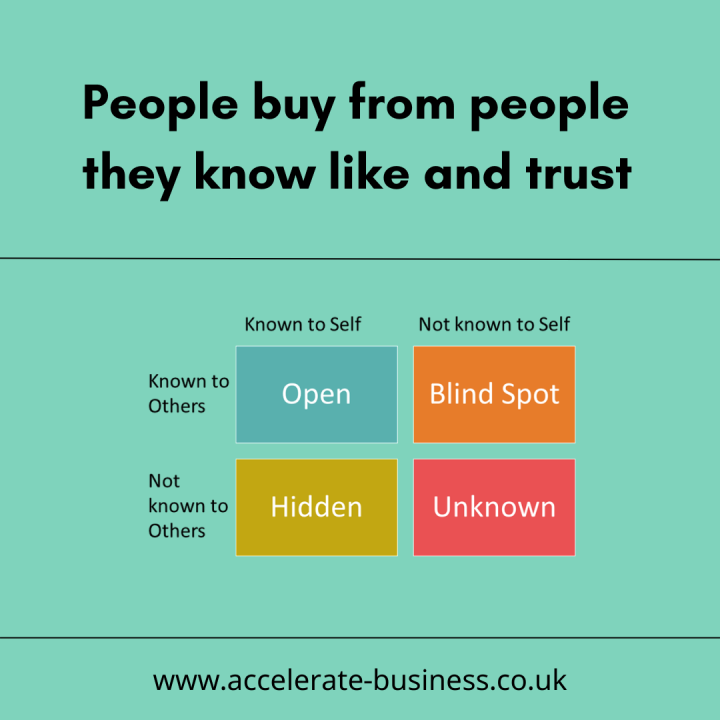
And the only way they’ll know if you’re real is if you interact with them, show up in person, do certain things.
It’s no longer going to be me competing against other top influencers. It’s going to be me competing against AI for someone’s attention. And the only way I can differentiate myself and stand out is by being authentic and true to myself.
Having that history. Having that story behind me.
That’s how you capitalize off of it. You have to build that brand.
What I’m building:
Short-form content is good, it’s great money, but at the end of the day, it’s all junk food.
Fast, casual, cool.
But if you want to be sustainable and deal with this long-term, you’re going to need real meals.
Those real meals are done on YouTube.
IRL activations. I need to touch the streets.

If I had to do an in person event - it would probably be some sort of a budgeting activation.
Probably I’ll call it “Matcha & Money” → partner with a matcha brand, bring people together, talk about budgets and finances over drinks (women would live this sh*t).
Something that can’t be replicated by a bot. Something that builds real community.
If the differentiator is authenticity, then I have to actually be authentic.
That means sharing the fears. The uncertainty. The parts of my money story that aren’t polished or optimized.
Lingering thoughts (basically unfiltered POV)
I’ve struggled with building a brand. I think in the personal finance space, a lot of people with die-hard followings are women creators.
I don’t know exactly why.
Maybe women are easier to listen to, or feel more calm and receptive. With men and personal finance, it often comes off as “finance bro” energy.
Aggressive. Transactional.
When men talk about money, it’s usually about teaching you to get rich.
“Here’s how to win.”
But women creators in this space? They understand that their audience is often scared of money.
Anxious. Unsure.
So they don’t just teach → they share. They talk through things. They meet people in their fear, not just their ambition.
That’s a different relationship. And it builds loyalty that finance bro content never will.
As a male creator, I have to ask myself: can I do that? Can I show up differently? Can I meet my audience in their anxiety instead of just selling them solutions?
Here’s my actual fear.
I’m scared that one day, people just won’t care about me anymore. That someone will take all my videos, all my data, and build another version of me. One that’s more efficient. More consistent. Faster.
A better Luv that isn’t Luv at all.
That fear keeps me up. And the only answer I have is: I need to build something that can’t be copied.
A relationship.
A history.
A real presence that exists beyond the screen.
I gotta figure out how to authentically tell my stories and let time do the rest.
The most important thing for me right now:
Focusing on how to build this brand and how to show up in person. Yes, YouTube long-form is good, but I low-key need to start doing activations.
Meeting people. Getting boots on the ground. Networking.
I like to think of it like those old mixtape days where you put your mixtape out the trunk and the artist is selling you their CD. I need to start doing that—not selling my videos, but maybe selling my budgeting app in person, or connecting with people through different boot camps around money and personal finance.
IRL is going to be super important and super critical.
Long story short:
I’m not scared of where this is going. I can see the trajectory clearly.
The scary part is executing. Sticking to my word. Trusting that it will pay off.
But I’d rather bet on being real than try to out-produce a machine.
Luv,
Luv
PS - this was a fun one to write, I hope you found this insightful :)
This resonates hard. The realization that AI can fake both polished and raw content is the real wake-up call. Your shift to focusing on authenticity and IRL activations makes sense, especially the point that people buy from people. The two-year window feels right given how fast these models are improving. "Matcha & Money" is a clever concept, that kind of tangable community building is exactly what bots can't replicate. The fear you shared about being copied is valid but your response is the right one.